After the last session comes relief. The question is what happens a few months later: if the movement stops, the complaint may return. Below you can read how to prevent that.
Why continue?
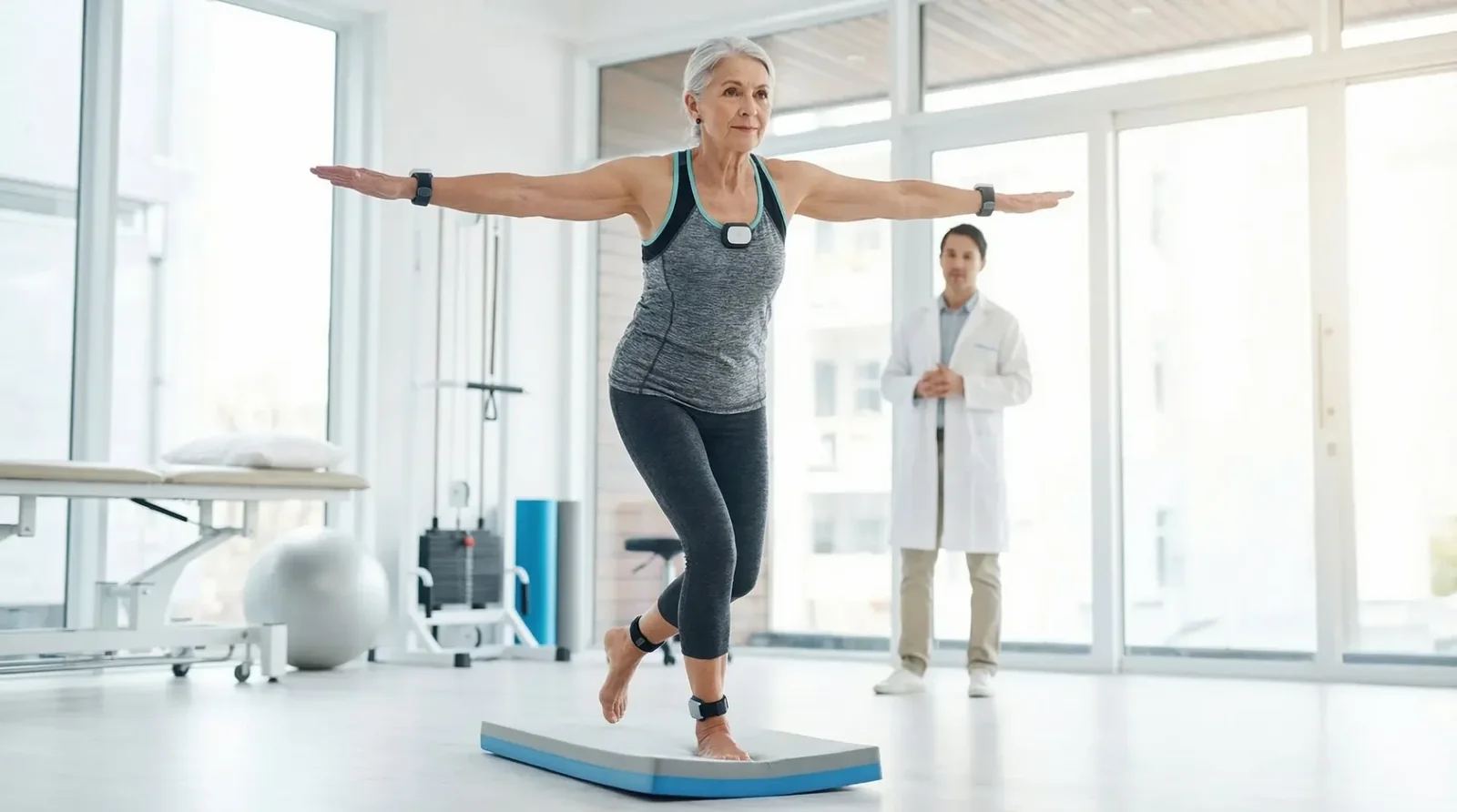
According to the clinic’s website, regular physiotherapy exercise is not only for treating existing problems but also for preventing musculoskeletal conditions, and it lowers the risk of later injuries. A muscle you do not use weakens again: what you built up during care has to be maintained.
Three ways to carry on
1. The home routine. You can continue at home the exercises you learned during care. This works if it becomes part of your day: before the morning coffee, after work, always at the same time. A few short sessions a week are worth more than one long one a month.
2. Preventive spine training at the clinic. Physiotherapy sessions can be booked without a complaint too. The booking page names spine training and spinal stabilisation separately; Mészáros Myrtill, Bak Petra and Forsthoffer Réka all mention spine exercise among the fields on their profiles, which you can reach from the team page.
3. A guided workout. If you would like some load as well, the article on Medical Fitness presents the 60-minute programme led by a physiotherapist.
Which sport should you do alongside?
The one you enjoy, because that is the one you will keep up. Walking, swimming, cycling and running can all be considered; how much load is advisable in your condition is something your therapist can tell you. If you are going back to one particular discipline, the article on sport-specific physiotherapy helps.
When should you come back?
- if the old complaint returns and does not ease within a few days;
- if a new pain appears;
- if you are unsure whether you are doing the exercises well;
- if your life changes: a new job, a new sport, a longer break.
A short check-up often prevents a longer course of treatment.
Everyday life counts
You spend most of your time on your chair, not on the exercise mat. Advice on this is collected in the article on desk work and posture. To book a check-up, see the article on booking and cancelling.