
Mizsei Zsófia
Physiotherapist
Physiotherapy degree: University of Miskolc; Kinesio Tape and FDM therapy
Full profile in Hungarian
Treatment
New patients always start with the first assessment. Returning patients can book directly: "Gyógytorna" in Salonic (opens in a new tab).
Physiotherapy is not a few exercises shown to you, but a planned, active phase of treatment. It stabilises the change achieved with manual therapy, develops muscle activation, movement control, strength and stability, and leads you gradually back to work or sport. The university-trained physiotherapists at MozgásKlinika Újbuda tailor the exercises to your anatomy and function.
We do not treat posture as a static “good” or “bad” position but as something your body regulates all the time: staying in the same position for long, little variety and your individual load tolerance can together influence symptoms. So the exercises also build variety of movement and load tolerance.

Mechanical Diagnosis and Therapy (MDT), developed by Robin McKenzie, is an assessment and treatment system used mainly for spinal complaints: it looks at how particular positions and repeated movements change your symptoms. According to the clinic, the exercises are aimed at treating disc herniation.
Segmental stabilisation exercises for spinal pain and for strengthening the surrounding muscles. Posture-correcting exercises belong here too.
Joint rehabilitation exercises for pain in the limb joints: stabilising exercises strengthen the muscles around the joint.
Support recovery after surgery, with the load increased step by step.
From spinal and joint rehabilitation exercises through to sport-specific training: exercises matched to the load of your sport.
Treatment starts at your first visit, straight after the assessment.
The assessment looks at several findings together: range of motion, strength, movement control, movement patterns and compensations.
We design exercises for you and, where appropriate, manual therapy techniques too.
We teach you the correct technique so you can safely keep practising at home.
Physiotherapy plays a part at every level of the MozgásPiramis®: at level 1 it works with manual therapy to relieve pain, and at levels 2–5 it is the main tool for restoring range of motion, building strength, developing functional stability and returning to full activity.
Physiotherapists who list this treatment among their specialisms. Our team speaks Hungarian and English.
Physiotherapist
Physiotherapy degree: University of Miskolc; Kinesio Tape and FDM therapy
Full profile in Hungarian

Physiotherapist
Physiotherapy degree: University of Debrecen; human kinesiology studies at the Hungarian University of Sports Science (in progress)
Full profile in Hungarian

Physiotherapist
Physiotherapy degree: Semmelweis University
Full profile in Hungarian

Physiotherapist
Physiotherapy degree: University of Miskolc; manual therapy studies (in progress); training in jaw-joint (TMJ) manual therapy
Full profile in Hungarian
Physiotherapist
Physiotherapy degree: University of Miskolc (2020); McKenzie therapy; the two-year manual therapist training of the Semmelweis University Holistic Medicine Foundation
Full profile in Hungarian

Physiotherapist
Physiotherapy degree: Semmelweis University; the two-year manual therapist training of Semmelweis University
Full profile in Hungarian
At most you may feel mild muscle soreness. Physiotherapy is essentially a therapeutic workout, so afterwards you should feel pleasantly tired rather than in pain.
Many patients notice a difference after the first few sessions, but a lasting result needs several weeks of regular work. You get a realistic picture at the first consultation, after the assessment.
No. You can book online without a referral.
Comfortable clothes you can move in and, if you have them, your earlier reports.
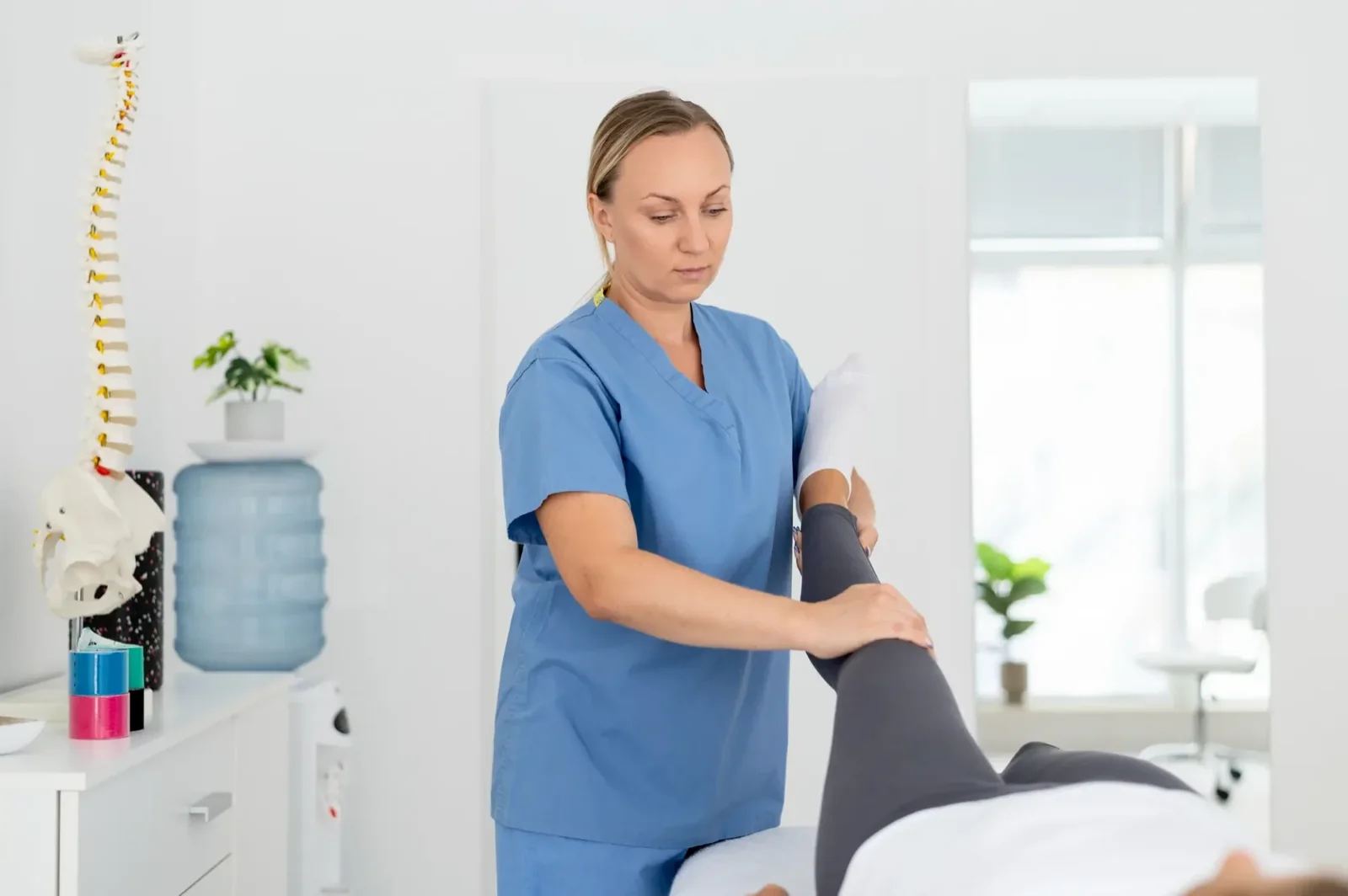
How MozgásKlinika Újbuda treats a herniated disc: the first assessment, McKenzie exercises, segmental stabilisation, and when you need a doctor urgently.
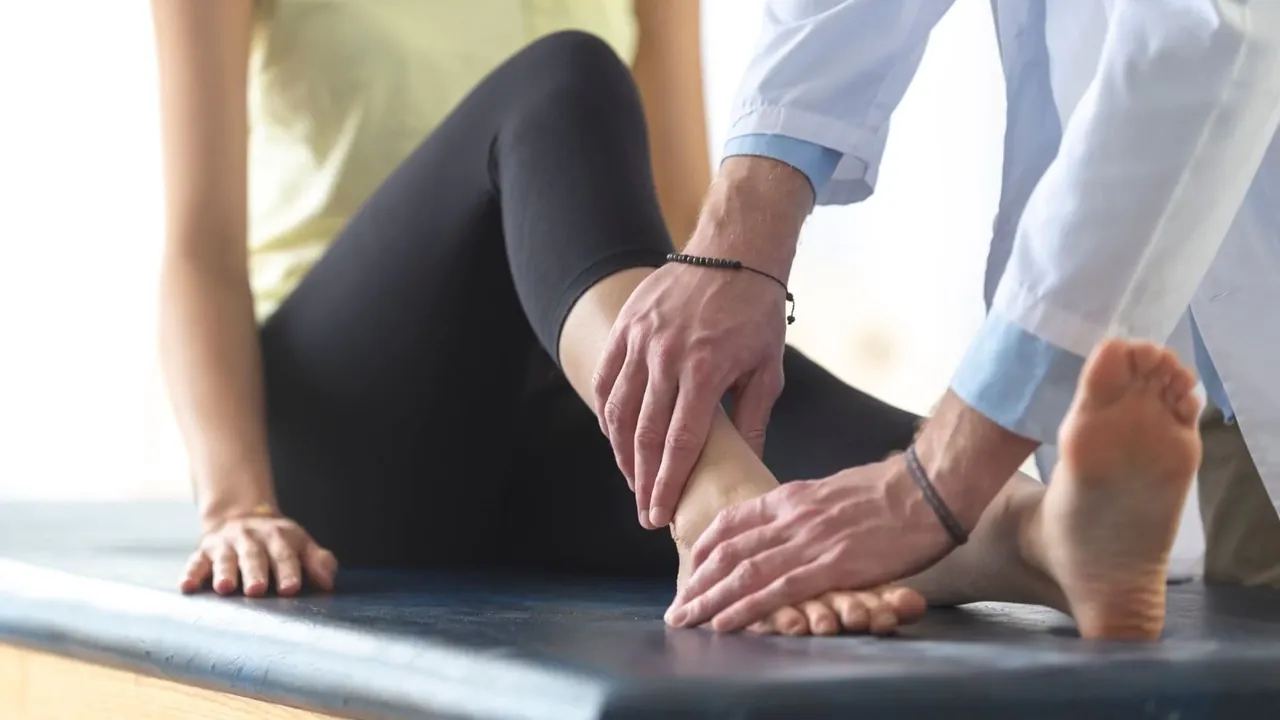
Rehabilitation after orthopaedic surgery at MozgásKlinika Újbuda: preparing before the operation, what to bring, and how the plan builds up in five steps.
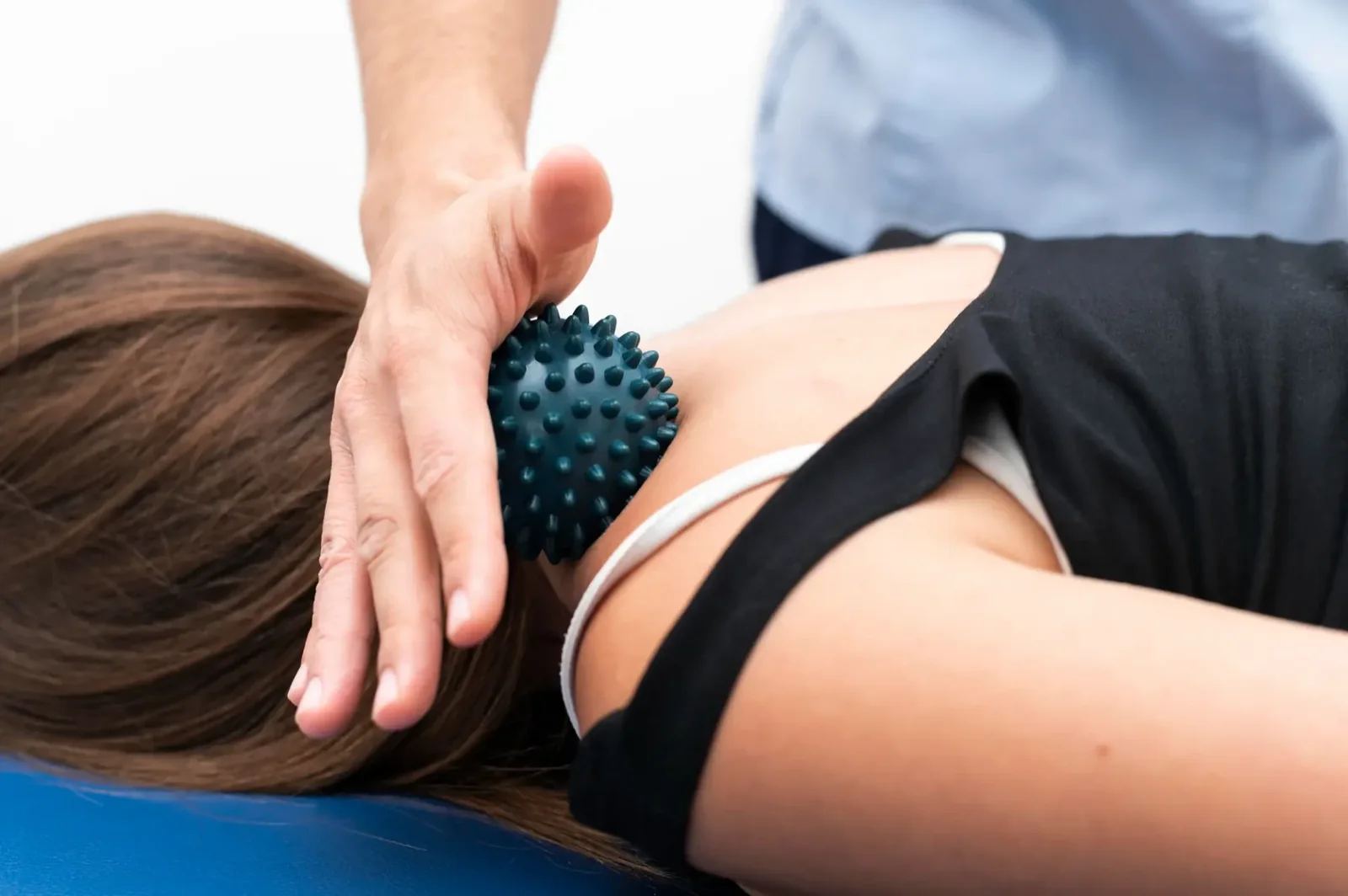
Returning after a sports injury: what sport-specific physiotherapy means at MozgásKlinika Újbuda, who you can book with, and how the plan is built.
Last updated:
This page is general information and does not replace an in-person assessment. Services, prices, equipment and opening times are subject to change. For current details, call us or see the pages of MozgásKlinika’s own clinics: our clinics.
The first consultation lasts 60 minutes, costs 24,990 HUF, and treatment starts in the same session. No referral needed.