Lower back pain is the complaint that all six members of the Újbuda team list among their fields. This is no accident: it is one of the most common musculoskeletal complaints. Below you can read what happens if you bring it to the Budafoki út clinic.
The examination comes first
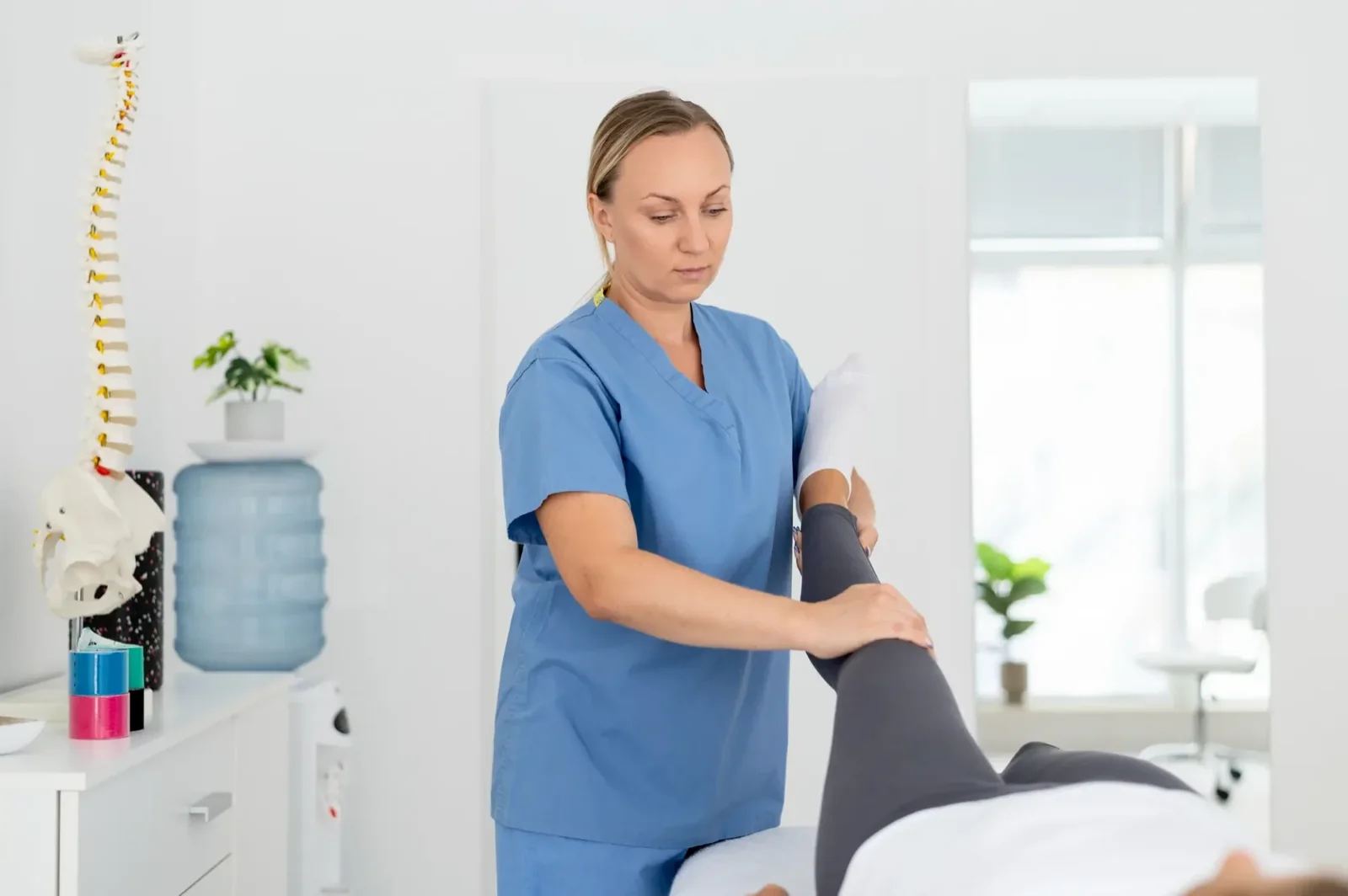
Care starts with a first assessment. The physiotherapist uses movement tests and a hands-on examination to find where the pain comes from, and tells similar symptoms apart. The treatment plan is built on this, and the first treatment begins at the same appointment.
Which treatments may be offered?
- Manual therapy. Hands-on treatment at the level of the joints and the soft tissue.
- Physiotherapy exercise. The booking page names spine training and spinal stabilisation exercises separately: they serve to strengthen the muscles around the spine.
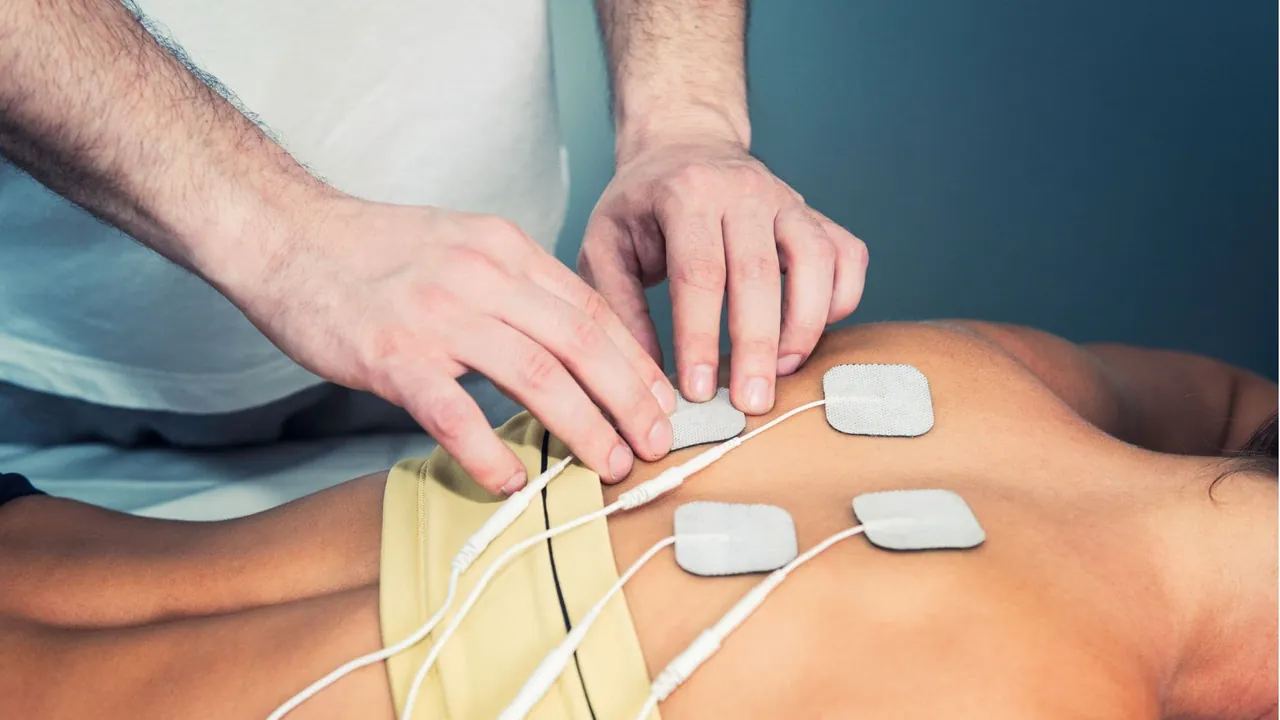
- Combined therapy. Within one session, the hands-on part is followed by exercise or by a physical therapy device.
The devices are reviewed in the article on cupping, flossing and taping.
If the pain travels into the leg
In this case a disc may be involved. The examination clarifies this; what follows is covered in the article on herniated discs.
Sacral and pelvic pain
Complaints below the waist, around the pelvis, get separate attention: Mészáros Myrtill also lists pelvic dysfunction and sacral pain as fields of interest. See the team page.
When should you see a doctor first?
Do not go to a physiotherapist but see a doctor without delay if, alongside the back pain:
- the saddle area or the inner thigh goes numb;
- you have trouble holding urine or stool;
- your leg is getting weaker, and this is worsening;
- you have a fever, or the pain began after an accident.
What can you do in the meantime?
Complete rest rarely helps: stay as active as the pain allows, and avoid sitting in one position for long. Advice for desk workers is collected in the article on desk work and posture.