The booking page lists three lines one under the other: exercise-based physiotherapy (gyógytorna), manual therapy (manuálterápia) and the two combined. At first glance it is hard to tell which one you need. The good news is that you do not have to work it out: after the first assessment the physiotherapist tells you. It still helps to know the difference.
Manual therapy: the therapist works
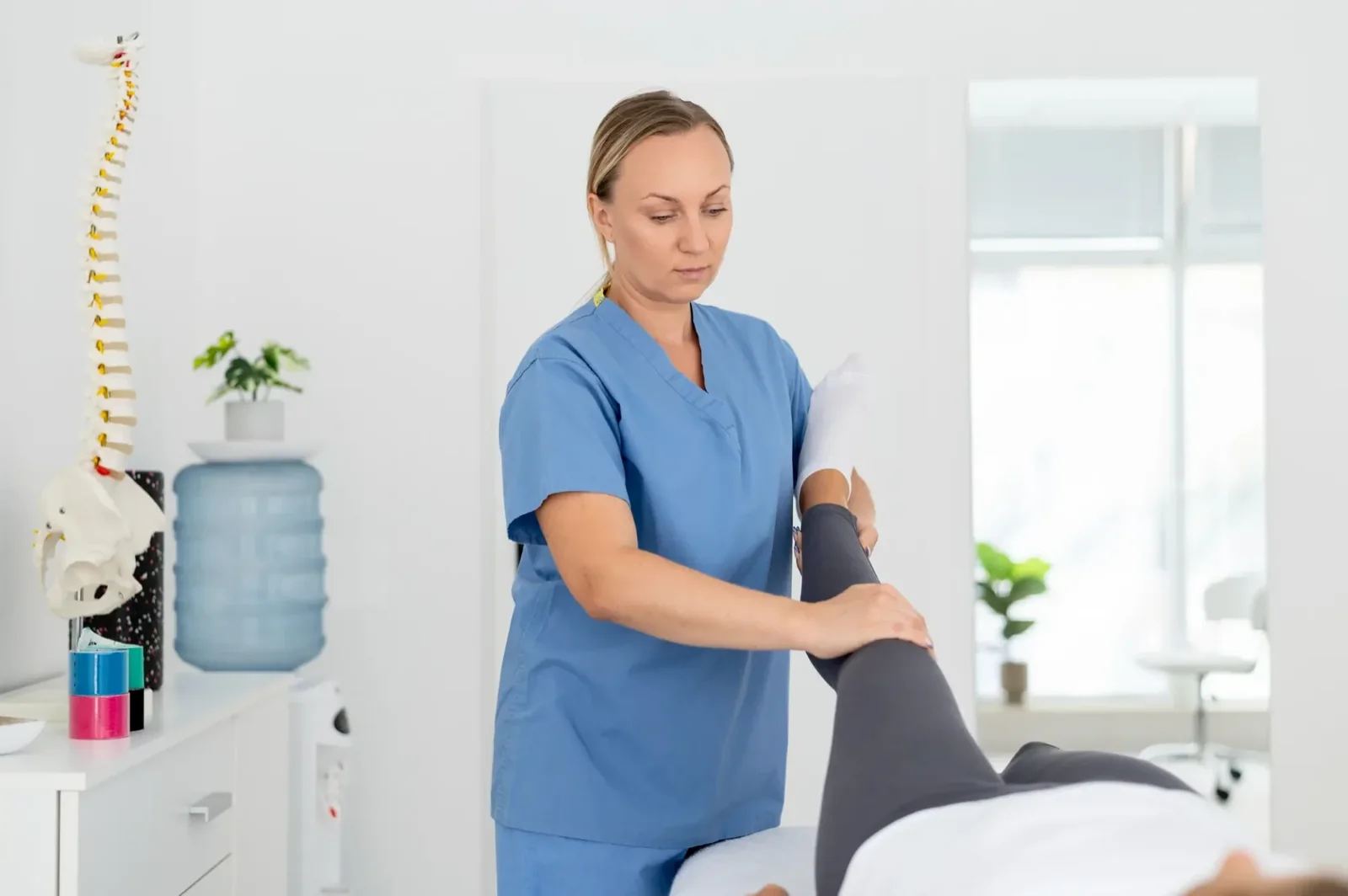
Manual therapy is a conservative treatment carried out by hand. The clinic’s website describes it as a passive technique: you lie or sit while the therapist uses special grips to release tense muscles and help the joint work. It is also a way of examining, so it is part of the physical examination too.
In Újbuda one session lasts 50 minutes and costs HUF 24,990. The approaches the team draws on are covered in the article on the Maitland, Mulligan and McKenzie schools.
Exercise: you work
Physiotherapy exercise is active: you do the exercises, and the physiotherapist guides and corrects. According to the booking page it improves joint mobility, strengthens the muscles and builds endurance. Spine training, posture correction, rehabilitation after surgery and sport-specific training all belong here.
One session lasts 50 minutes and costs HUF 22,990.
Why do the two often share one appointment?
As the clinic describes it, after hands-on treatment the muscles often need to stabilise straight away so that the change holds. This is why, in a combined session, targeted exercises follow the hands-on part immediately. It is one 50-minute appointment for HUF 24,990.
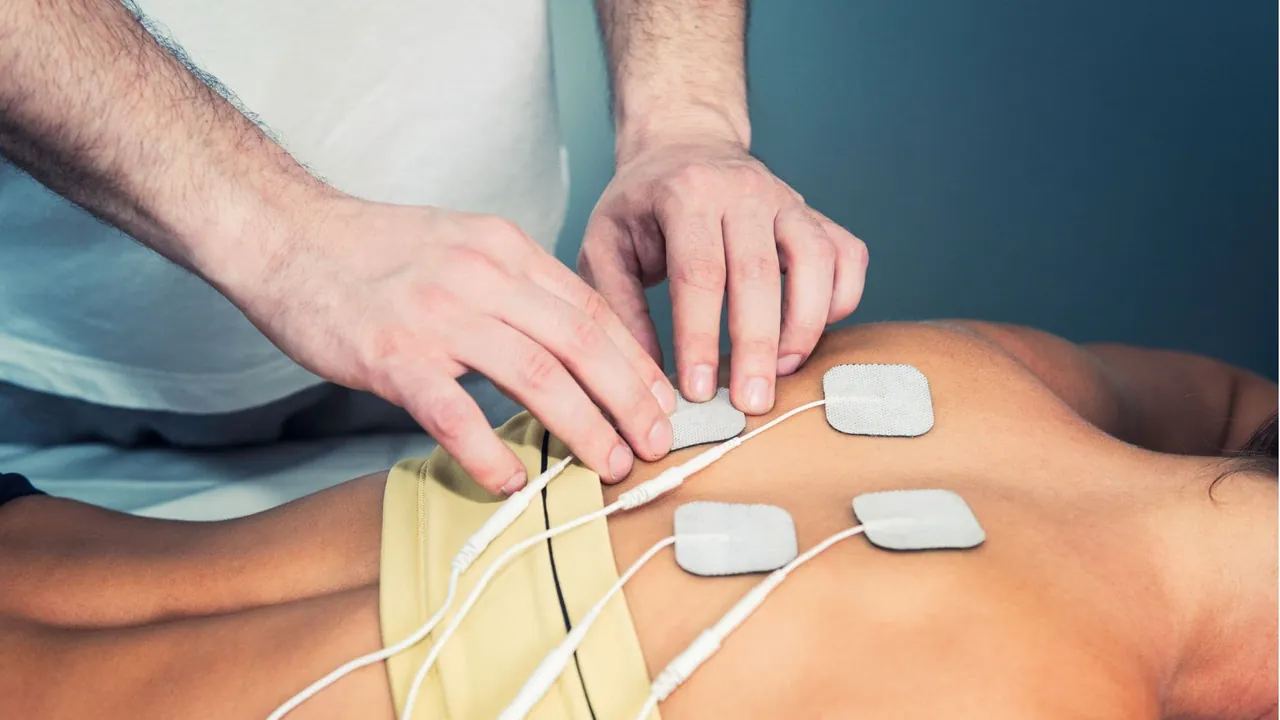
There is a second combination as well: hands-on work with physical therapy devices. The article on cupping, flossing and taping explains it.
A quick guide
| Hands-on treatment | Exercise | |
|---|---|---|
| Who works? | the therapist | you, with guidance |
| Typical place | at the start of care | throughout, with growing weight |
| Homework | rarely | almost always |
The table is only a compass. The order comes from the logic of the MozgásPiramis and from your own condition.