The booking page of MozgásKlinika Újbuda lists five names under manual therapy and a sixth under exercise-based physiotherapy. They are schools: each is a way of thinking with its own set of techniques. The short descriptions below are for orientation only.
The five hands-on schools
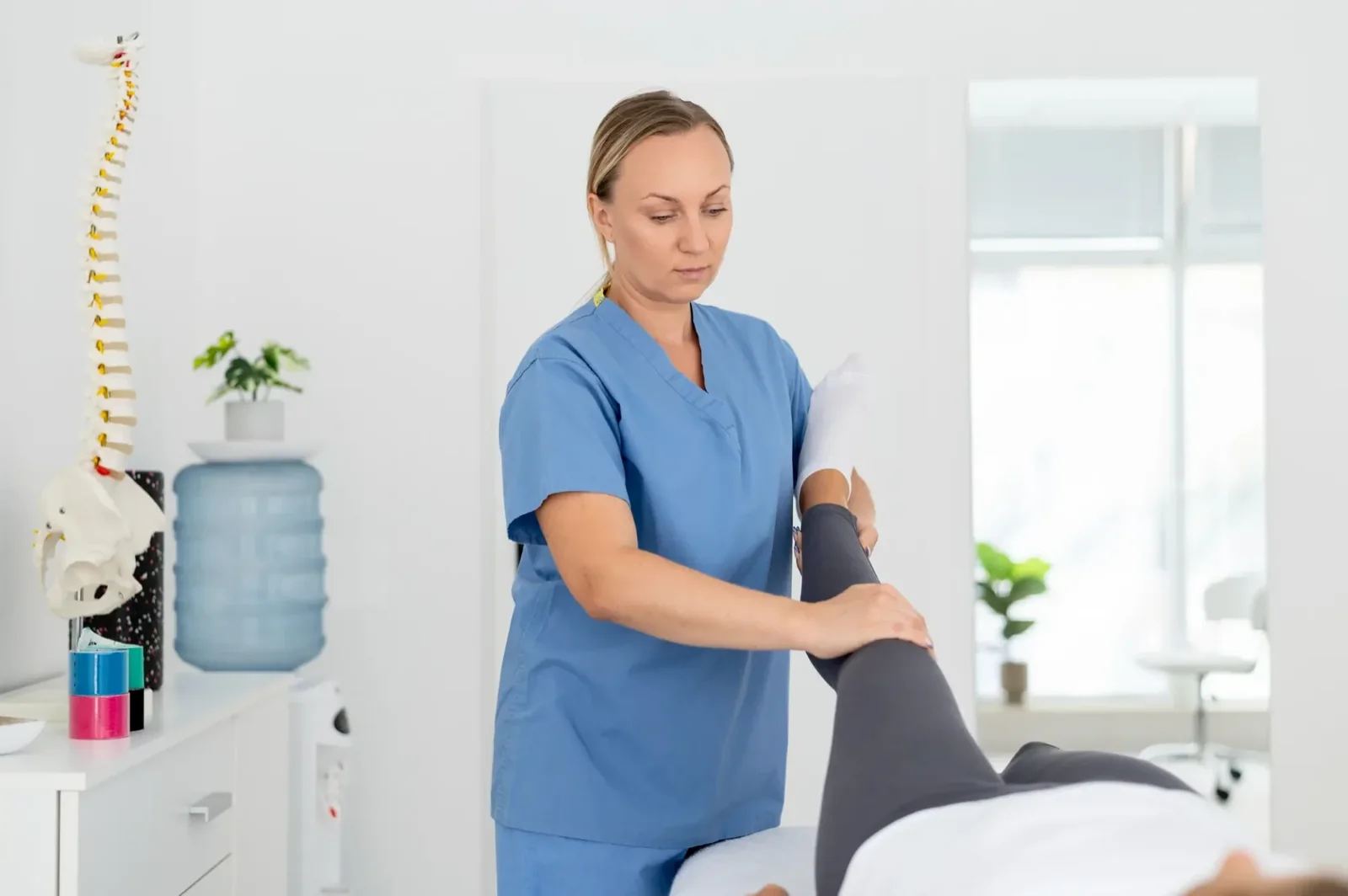
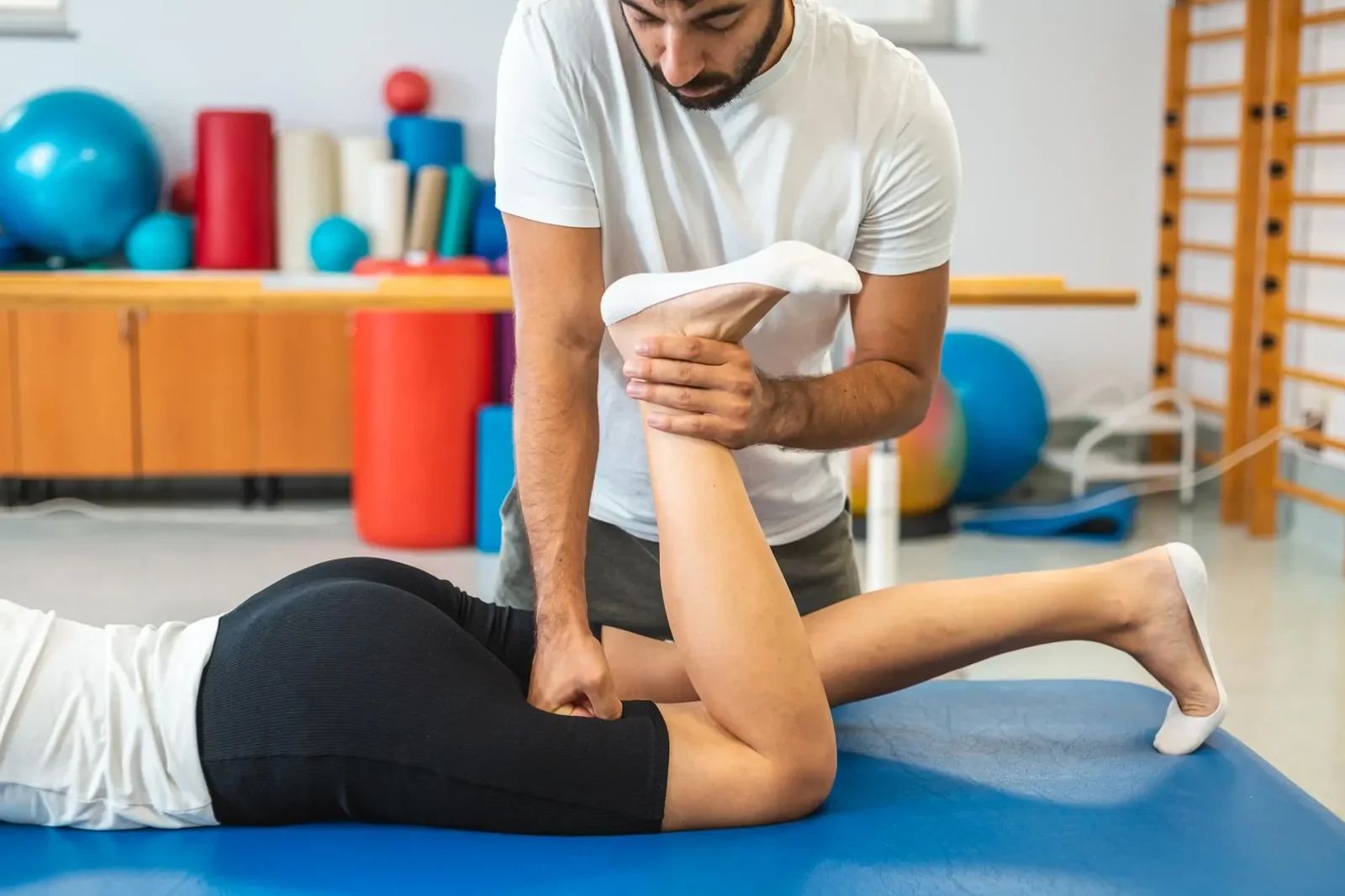
- The Maitland concept (IMTA). A system built on examination: the therapist works with finely graded, repeated joint movements and keeps checking how the complaint changes.
- Mulligan. The therapist holds the joint by hand while you perform the movement yourself.
- Barvincsenko. A Hungarian school taught at Semmelweis University.
- Anatomy Trains (Tom Myers). An approach that treats muscles and connective tissue as connected chains.
- Soft-tissue work (Typaldos and trigger point treatment). Treatment of the connective tissue (fascia) and of tight knots in the muscle.
And McKenzie?
The McKenzie method sits on the exercise side: according to the clinic’s description, its exercises are aimed at treating a herniated disc. You can read more in the article on herniated discs.
Who on the team has studied what?
Based on the physiotherapists’ own profiles:
- Karda Norbert has studied the McKenzie method and completed the two-year manual therapist training of the Holistic Medicine Foundation of Semmelweis University.
- Mészáros Myrtill completed the two-year manual therapist training of Semmelweis University.
- Mizsei Zsófia has studied FDM (the Typaldos method) and the Kinesio Tape technique.
- Bak Petra: studies in this field are in progress, and a training course on the jaw joint has been completed.
The clinic does not specify who is trained in which of the five schools. If you are looking for one particular method, ask before you book. Everyone is introduced on the team page.
Do you need to choose a school?
No. A method is a tool, not a goal: the therapist decides at the first assessment what suits your complaint, and may use several approaches within one session. All you need to know is that manual therapy is a hands-on treatment that is almost always followed by active work. How the two relate is the subject of the article Physiotherapy and manual therapy.